![You are currently viewing Scale Labels Guide: [Everything You Need to Know for 2025]](https://countrypaper.co.za/wp-content/uploads/2025/07/Scale-Labels-Guide-e1751716259125.jpg)
Scale Labels Guide: [Everything You Need to Know for 2025]
Introduction to the Scale Labels Guide
In the world of retail and food industries, scale labels play a critical role in accurate pricing, branding, and inventory management. Whether you’re running a grocery store, butchery, deli, or supermarket, choosing the right labels enhances customer experience and operational efficiency. Therefore, this scale labels guide provides an in-depth look at their importance, types, materials, and best usage practices.
What Are Scale Labels?
Scale labels are adhesive paper or synthetic labels printed using electronic weighing scales. These labels often include product names, prices, barcodes, expiration dates, and weight. As a result, they ensure products are properly marked, traceable, and compliant with regulations.
Why Scale Labels Matter for Your Business
Scale labels matter for various reasons:
- They help display essential product information.
- They improve stock management and inventory accuracy.
- They enhance brand professionalism and trust.
Consequently, using clear, durable, and accurate labels reduces checkout errors and customer complaints. Additionally, they streamline inventory workflows and enhance customer satisfaction. In short, they are essential tools for modern retail businesses.
[Top 5 Benefits of Using High-Quality Scale Labels – A Practical Scale Labels Guide]
1. Better Print Quality with Scale Labels
Good-quality labels improve barcode readability and prevent smudging or fading. Furthermore, they ensure that scanned information remains accurate at checkout. Thus, your operations run more smoothly.
2. Enhanced Adhesion in Scale Label Printing
Labels that stick well reduce the chance of peeling, which can cause scanning errors. In addition, they maintain product presentation throughout the display period. As a result, customers are more likely to trust and buy your product.
3. Compatibility with Scales – Key in the Scale Labels Guide
Custom-made labels are optimized for common scale printers like Avery Berkel, CAS, and Digi. This compatibility reduces the risk of printing errors. Moreover, it minimizes downtime.
4. Regulatory Compliance for Scale Label Usage
Proper labeling helps businesses comply with food safety and pricing laws. Moreover, it reassures customers that your operation is legitimate and professional. As such, consistent labeling reflects industry standards. Therefore, high-quality labels support business credibility.
5. Brand Customization with Scale Labels
You can print your business name or logo on labels to strengthen brand identity. Additionally, branded labels help build recognition and customer loyalty. As a result, your business gains better shelf appeal. Consequently, you can stand out in a competitive market.
Types of Scale Labels – Your Material-Based Scale Labels Guide
Thermal Transfer Labels
These require ribbons to print and are ideal for long-lasting applications. Furthermore, they are resistant to heat and moisture, making them perfect for frozen or chilled items. As an added benefit, they offer extended durability.
Direct Thermal Labels
These do not require ribbons. They’re perfect for short-term uses like perishable goods. However, they are sensitive to heat and light, so proper storage is essential. Therefore, they should be stored carefully.
Linerless Scale Labels
These eco-friendly options reduce waste and are ideal for high-volume operations. Explore Linerless Labels. Additionally, they help reduce your carbon footprint. Consequently, they align with sustainable business goals.
Popular Sizes of Scale Labels 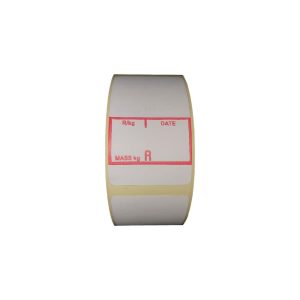
Here are a few common sizes in South African markets:
- 40mm x 62mm: Popular Product
- 57mm x 65m linerless rolls
Always check your scale model for compatible label sizes. Otherwise, you may end up with labels that don’t align correctly. As a precaution, refer to your printer’s documentation. This step will help you avoid costly mistakes.
How to Choose the Right Scale Labels – A Selection Scale Labels Guide
Know Your Printer Type
Check if your scale uses direct thermal or thermal transfer technology. In doing so, you’ll avoid compatibility issues. Also, confirm if your printer supports linerless options. Consequently, you’ll improve efficiency.
Consider Your Application
For refrigerated or moist environments, use water-resistant or synthetic labels. Similarly, if your products are frozen, select labels with strong adhesive backing. This ensures the labels stay intact. Therefore, your labeling remains reliable in all conditions.
Think About Quantity
Buy in bulk to save cost, especially for high-turnover businesses. Additionally, bulk buying helps reduce frequent ordering hassles. Consequently, you maintain stock efficiency. Moreover, it reduces per-unit costs.
Don’t Forget Storage
Keep labels in a dry, cool place to avoid fading or adhesive loss. Otherwise, you risk reducing the label’s quality and print clarity. Moreover, poor storage can lead to higher replacement costs. Thus, proper storage preserves label integrity.
Label Design Tips in Your Complete Scale Labels Guide
Keep It Simple
Avoid clutter. Use readable fonts and clear barcodes. This ensures the information is quickly understood by customers and easily scanned at checkout. Also, simplicity reduces scanning delays. Therefore, it’s a key design principle.
Include Branding
A simple logo and color can differentiate your products. Not only does it boost your brand image, but it also increases customer recall. Therefore, incorporate branding thoughtfully. As a result, customers will remember your products.
Positioning Matters
Align product information for easy scanning and quick recognition. Therefore, always test your label layout before mass printing. As a result, you can prevent costly reprints. In short, accuracy saves money.
Best Practices for Using Scale Labels
Regularly Clean Scale Printers
Dust and residue reduce print clarity. Therefore, clean rollers and print heads weekly. In addition, schedule routine maintenance to ensure longevity. Consequently, your printer will last longer.
Use the Right Settings
Check label dimensions and print speed to avoid alignment issues. Additionally, refer to your printer’s manual for specific settings. Thus, settings should always match your label type. As a result, print quality improves.
Train Staff
Ensure your team knows how to load rolls and adjust settings. As a result, this reduces downtime and label waste. Also, trained staff help detect issues early. Therefore, training is an investment.
Common Problems and Solutions with Scale Labels
Label Jamming
Cause: Wrong size or misaligned rolls.
Solution: Use scale-compatible rolls and align correctly. Also, inspect the printer tray regularly. Consequently, issues are resolved before they escalate.
Poor Print Quality
Cause: Worn-out print heads or low-grade labels.
Solution: Use high-quality labels and service printers regularly. In addition, replace worn parts on time. Therefore, output remains professional.
Barcode Scanning Errors
Cause: Smudged or poorly placed barcodes.
Solution: Print in high resolution and test scan before applying. Furthermore, ensure barcodes have proper spacing. Thus, scanning becomes reliable.
[Expert Tips for Getting the Most from Your Scale Labels Guide]
1. Work with Reputable Suppliers
A trusted supplier ensures consistent quality and fast delivery. See options. As a result, you reduce delays and guarantee quality. Therefore, choose suppliers carefully.
2. Monitor Usage
Track how many labels you use weekly to anticipate reordering. This will help you avoid stockouts. Moreover, usage tracking aids in budget planning. Consequently, you’ll operate more efficiently.
3. Evaluate Different Materials
Try paper and synthetic options to find what works best for your environment. In some cases, synthetic materials perform better under extreme conditions. Therefore, test different options in real scenarios. As a result, your choices become data-driven.
4. Go Eco-Friendly
Linerless labels are environmentally friendly and cost-effective over time. Moreover, they align with sustainable business practices. As a bonus, they also reduce material costs. Thus, they support long-term goals.
Related Resources and Articles
- Learn more in this comprehensive external guide: Scale Label Guide – Sailing Paper
- See our Linerless Labels Guide
- Explore Bond Rolls
- View our A4 Paper Options
- Contact Country Paper for expert guidance on scale label supplies.
Conclusion – Final Thoughts from This Scale Labels Guide
This scale labels guide helps you understand everything you need to know about label types, applications, and best practices. Labels are more than just stickers—they’re tools for efficiency, compliance, and branding. Therefore, always choose high-quality, compatible scale labels to keep your business running smoothly and professionally. Additionally, revisit your labeling practices regularly to stay aligned with industry trends. In conclusion, following this scale labels guide can help you streamline operations and boost brand consistency.